Maritime and Naval History Museum: Uncover Trincomalee's Naval Legacy
July 15, 2025

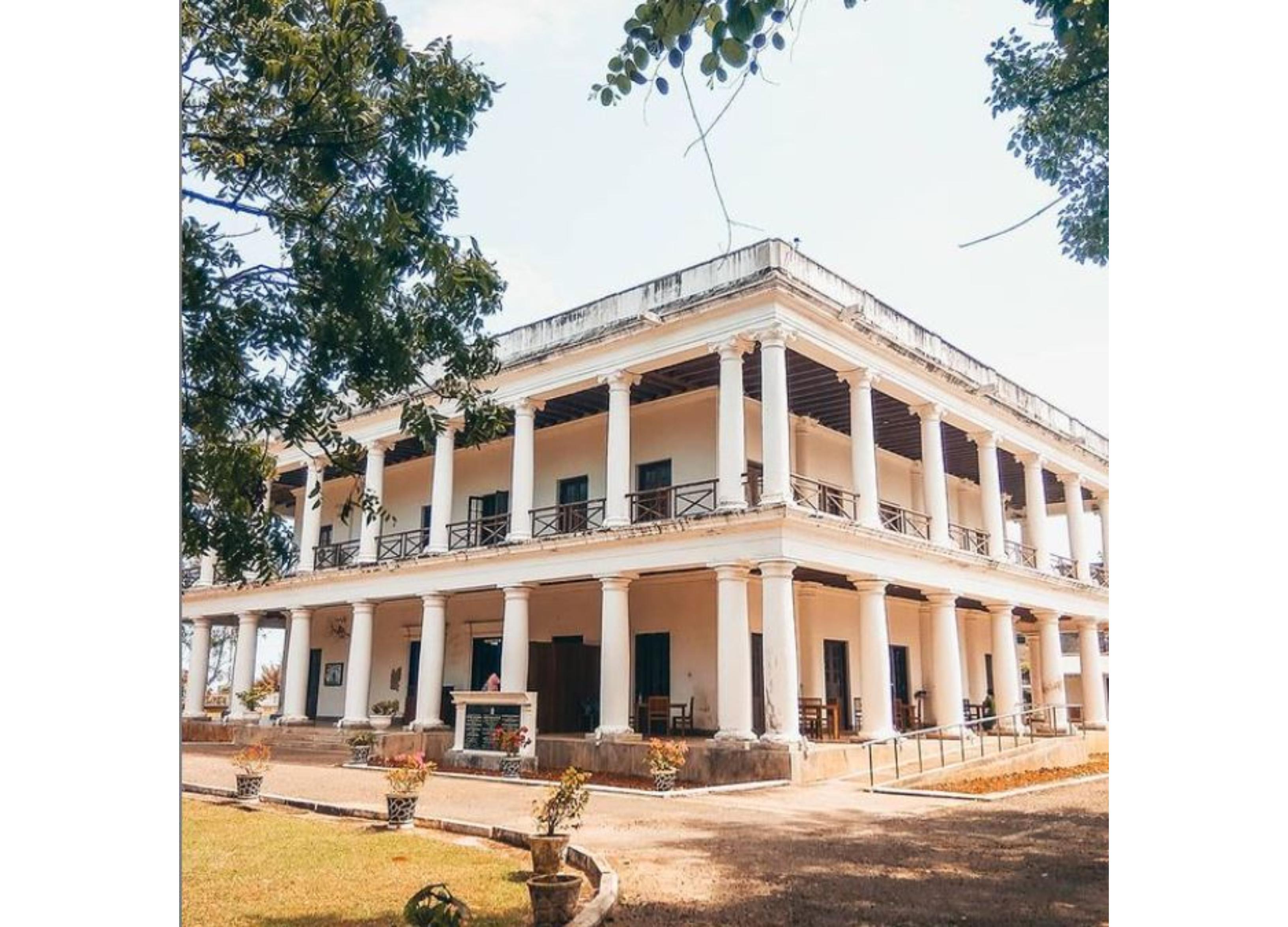
I spent about 90 minutes exploring the museum, finding the ground floor naval history exhibits particularly fascinating and the upstairs ecological displays surprisingly informative. The museum's location in Fort Frederick and its original Dutch colonial architecture made the entire experience feel like stepping back in time.
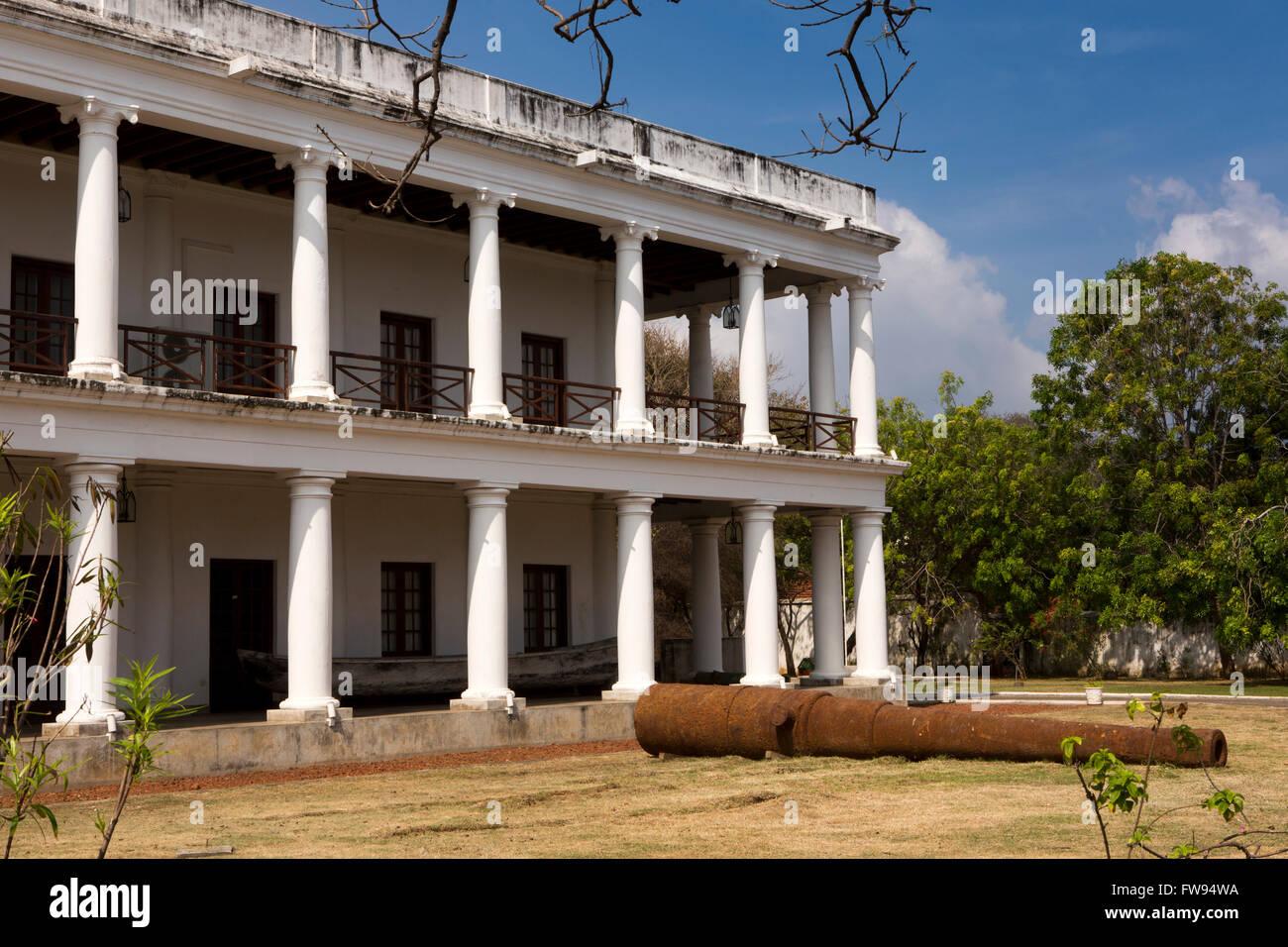
Tucked inside a 17th-century Dutch colonial building, the Maritime and Naval History Museum reveals secrets of Sri Lanka's forgotten maritime connections. Uncover centuries of naval trade, colonial interactions, and marine ecosystems in one unexpected Trincomalee treasure.
Need-to-Know Info Before Visiting Maritime and Naval History Museum Trincomalee
5+
images
Maritime and Naval History Museum Trincomalee Address
Main Street, Fort Frederick, Trincomalee, Sri Lanka
Maritime and Naval History Museum Trincomalee Opening Hours
- 🕒 Monday-Saturday: 9:00 AM - 4:30 PM
- 🕒 Sunday: Closed
- 🕒 Public Holidays: Closed
How to get to Maritime and Naval History Museum Trincomalee
- 🚗 By car: Accessible through Fort Frederick entrance
- 🚌 Public transport: Trincomalee bus routes 1 and 3 stop nearby
- 🚕 Tuk-tuks and local taxis readily available
What is Maritime and Naval History Museum Trincomalee known for?
- Located in an authentic 17th-century Dutch colonial building
- Exhibits covering Sri Lankan naval history from Marco Polo's era
- Displays showcasing east coast marine flora and fauna
- Detailed maritime artifacts and historical naval collections
- Panoramic views from wide colonial-era porches
What is Maritime and Naval History Museum Trincomalee in Trincomalee?
Tucked away in the historic Fort Frederick, the Maritime and Naval History Museum transforms a 17th-century Dutch colonial building into a treasure trove of naval storytelling. Travelers seeking authentic historical experiences find this museum a hidden gem in Trincomalee's tourism scene. International backpackers and history buffs gravitate toward its ground floor exhibits, which trace Sri Lankan maritime history from Marco Polo's trading era through centuries of naval interactions. The museum's architectural charm lies in its original Dutch colonial structure, with wide porches offering sweeping views of the surrounding landscape. Upstairs galleries focus on the east coast's marine ecosystem, with detailed displays about Pigeon Island's unique flora and fauna. Unlike typical museum experiences, this landmark provides an intimate glimpse into Sri Lanka's maritime heritage, attracting around 5,000 visitors monthly who want to understand the region's complex naval history beyond standard guidebook narratives. Tourists appreciate the museum's compact size, which allows for a focused 60-90 minute exploration of maritime artifacts, historical documents, and ecological information.
Top things to do at Maritime and Naval History Museum Trincomalee
- Explore ground floor exhibits tracing Sri Lankan naval history from Marco Polo's trading era through colonial periods
- Examine rare naval artifacts and historical documents from Dutch colonial administration
- Visit the upstairs galleries featuring detailed exhibits on east coast marine ecology and Pigeon Island's unique ecosystem
- Photograph the 17th-century Dutch colonial architecture and wide colonial-era porches with panoramic views
- Learn about maritime trade routes and naval strategies through interactive display panels and historical maps
- Discover maritime archaeological finds and recovered naval equipment from different historical periods
Tickets and Entry
Entry to the Maritime and Naval History Museum is affordable and accessible. Local visitors pay around 500 LKR (Sri Lankan Rupees), while foreign tourists can expect to pay approximately 1,000-1,500 LKR. Tickets are available directly at the museum entrance. No online pre-booking is required. Cash payment is preferred. Students and seniors might qualify for discounted rates, so bring identification. The museum recommends purchasing tickets at least 30 minutes before closing time to ensure enough exploration time.
History of Maritime and Naval History Museum Trincomalee
- 17th Century: Original building constructed as a Dutch colonial administrative residence
- Late 18th Century: Building underwent initial architectural modifications during British colonial period
- Mid-20th Century: Structure gradually transitioned from administrative building to historical preservation site
- 2000s: Comprehensive renovation transformed the building into a dedicated maritime history museum
- 2010: Official establishment as Maritime and Naval History Museum showcasing regional naval heritage
Cultural Significance
The Maritime and Naval History Museum represents more than a collection of artifacts. It symbolizes Trincomalee's strategic maritime importance throughout centuries of trade, colonial interactions, and naval developments. The museum preserves narratives of maritime cultural exchange, highlighting Sri Lanka's connections with traders, colonizers, and naval powers from Marco Polo's era to modern times. By documenting naval history, the museum serves as a critical educational resource connecting current generations with their maritime heritage.
Tips for Visitors
- Allocate 60-90 minutes for a comprehensive museum tour
- Wear comfortable walking shoes for exploring multiple exhibit floors
- Bring water and light snacks, as no café is available inside
- Photography is permitted, but flash is prohibited to protect historical artifacts
- English and Sinhala guidebooks are available for additional context
- Check local holiday schedules, as museum might have altered hours
What are some interesting facts about Maritime and Naval History Museum Trincomalee?
- The museum building survived multiple colonial transitions, serving under Dutch, Portuguese, and British administrations without significant structural changes
- Hidden within the museum's collection are rare nautical maps that predate Marco Polo's documented travels, showcasing ancient maritime trade routes
- The wide colonial-era porches were originally designed as defensive observation points, allowing Dutch administrators to monitor naval and trade activities in Trincomalee harbor